
South Carolina Land Buyers: How to Sell Land Fast for Cash

Compare Your Options Before You Commit
When you are considering a parcel sale, a direct transaction is one option among several. You might list with an agent, market the property yourself, consider an auction, or speak with a company that may purchase acreage directly. Each route asks something different of an owner, from preparing advertising to answering questions and coordinating visits.
A direct conversation can be useful when you have unwanted land, plan to sell, or simply want a clearer picture of available choices. It does not require you to accept a proposal. Instead, it gives you a way to compare stated terms with the effort, timing, and uncertainty involved in other ways to sell your land.
- A listing may provide broader exposure but can require ongoing coordination.
- An owner-managed sale can offer control but puts communication and recordkeeping on you.
- A direct buyer may be worth considering when simplicity matters more than open-market marketing.
The best way to sell depends on your priorities. Price matters, but so do the records you have, access questions, your comfort with the work involved, and the terms eventually placed in a purchase agreement.
Sell Land in South Carolina With Facts Verified
Before you sell land in South Carolina, identify whether the parcel is tied to a city location, a county location, or an area where a mailing address does not settle jurisdiction. A postal address alone may not identify the governing authority. Confirming the parcel location, map information, and available records helps avoid assumptions.
City lots can raise questions about municipal services, dimensions, nearby improvements, and local review. County acreage can involve roads, boundaries, timber, farm use, or a tract divided from a larger holding. Those are questions to investigate, not conclusions to make from a general summary.
Owners across South Carolina may hold raw land for years without using it. If the parcel no longer fits your plans, begin with details you can confirm. That can simplify the work and help you compare a written proposal with other options without treating an initial conversation as a commitment.
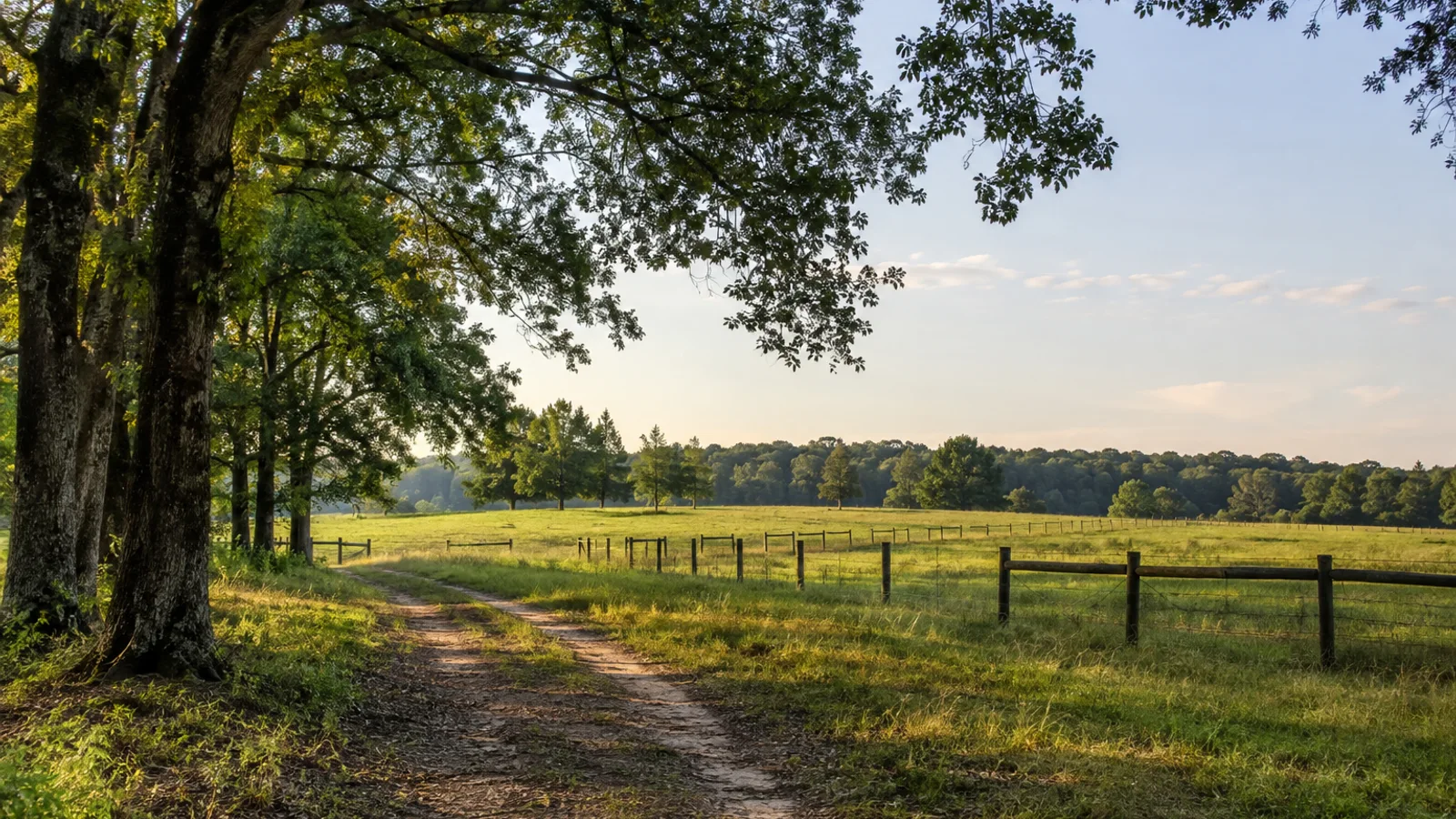
How a Cash Land Buyer Verifies the Parcel File
A direct-purchase buyer usually starts with basic identification: county, parcel number if available, approximate acreage, legal description, deed information, and maps or surveys already in your file. The purpose is to understand the parcel being evaluated, not to assume all vacant land in South Carolina has the same features or value.
Additional questions may involve recorded access, visible roads, ownership names, known liens, delinquent-tax situations, current use, and whether the tract is listed as residential, commercial land, timber, or agricultural land. These points can affect review, but they do not establish buildability, septic approval, wetland status, or a future price.
A buyer may also ask about co-owners, estate administration, boundary questions, or prior agreements. You do not need to solve every issue before requesting information. Sharing what you know can help identify matters that may require review by a South Carolina licensed closing attorney.
Move From Purchase Proposal to Attorney-Supervised Closing
The process can begin with a concise summary of the parcel and your goals. Sell South Carolina Land reviews vacant lots, rural acreage, timber tracts, agricultural tracts, access issues, and delinquent-tax situations. A review is not a promise to purchase land, and it does not replace independent advice about your circumstances.
If a preliminary review suggests a possible fit, the next step is gathering enough information for a written proposal. Read the price and business terms together. A purchase agreement controls cost responsibilities, including how closing costs are assigned, so do not assume either side pays a particular expense unless the agreement says so.
If you choose to proceed, a South Carolina licensed closing attorney should handle legal closing oversight. The attorney can review the transaction, coordinate necessary title work, and explain documents requiring a signature. When title readiness supports it, closing may occur in as little as 2 weeks, but no timeline is guaranteed.
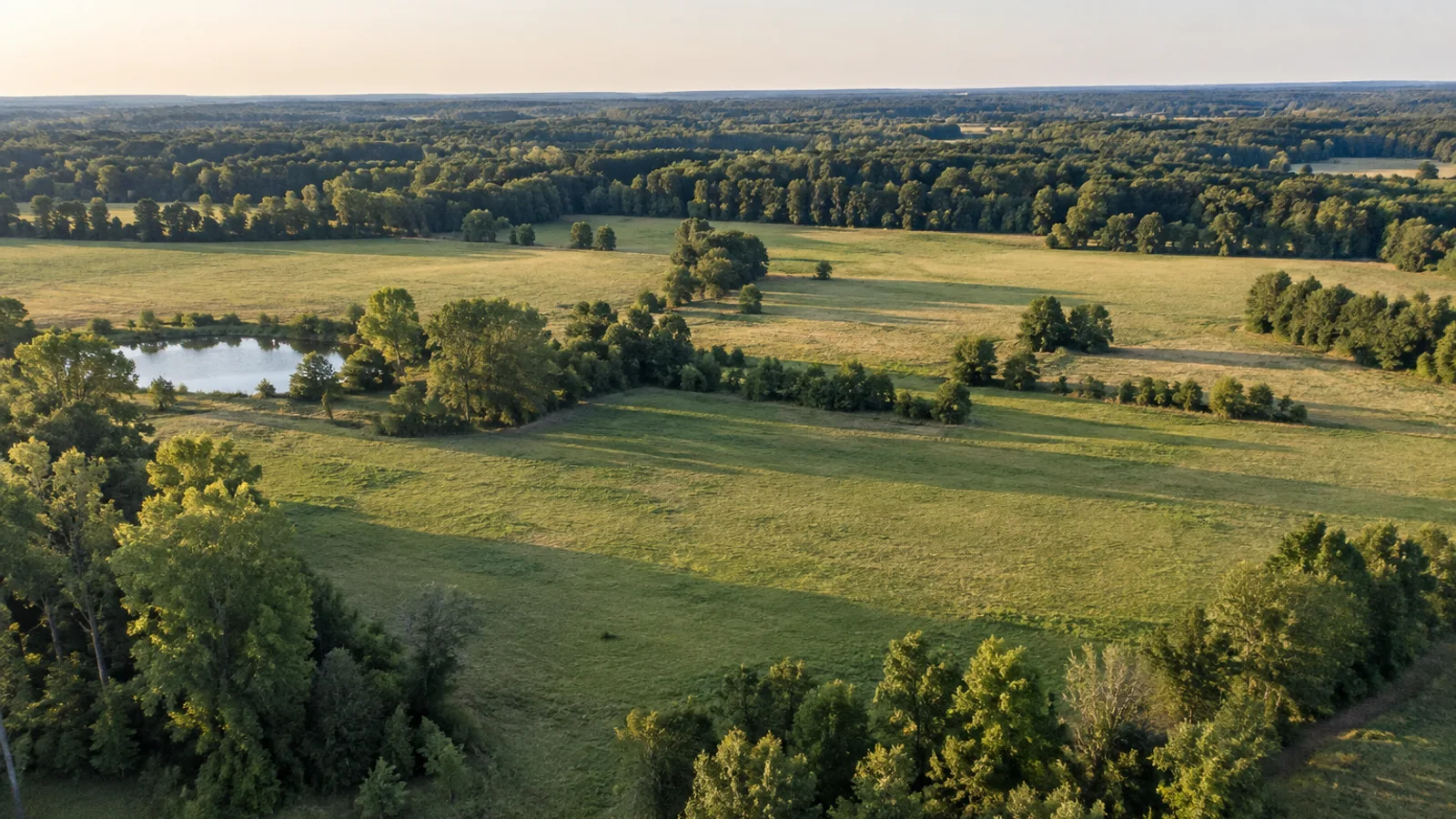
Questions for Land Buyers in South Carolina
A cash offer is easier to assess when you look beyond the number at the top of the page. Ask what information supports it, what conditions remain, which costs are addressed, and whether further verification is expected. A no-obligation cash offer is a reference point, not a reason to skip careful reading.
Some owners plan to sell their land fast because the parcel brings continuing responsibilities. Others prefer to test the land market before deciding. Neither choice is automatically better. Compare whether the route lets you sell your property on understandable terms and whether you are comfortable with the work expected before closing.
- Confirm the exact parcel being identified.
- Ask whether the offer for your land depends on later review.
- Read the purchase agreement before signing.
- Understand stated closing costs and other assigned expenses.
- Raise legal or tax questions with qualified independent professionals.
Direct land buyers may differ in funding, contingencies, and whether they plan to acquire the parcel themselves. Ask the land buying company to identify the legal purchaser, explain any assignment clause, and show how payment will be handled through the closing attorney. A business that intends to buy land for cash should explain its funding and which conditions remain, without asking you to send bank credentials or pay a fee to release an offer.
Prepare Records Before You Decide
You do not need a perfect file to begin, but organized records can make selling your land easier. Start with the deed, recent tax correspondence, surveys, plats, maps, prior title paperwork, access information, and any details about improvements or agreements. If a record is missing, say so plainly rather than guessing.
Property tax questions deserve separate attention. A sale can raise federal and state tax considerations based on ownership history, use, basis, and final transaction documents. Review current IRS tax topics and South Carolina Department of Revenue materials, then speak with a qualified tax professional for guidance tailored to you.
For paperwork questions, review Legal Documents for Selling Land in South Carolina. Clear parcel details help a buyer distinguish confirmed facts from questions that need professional review.
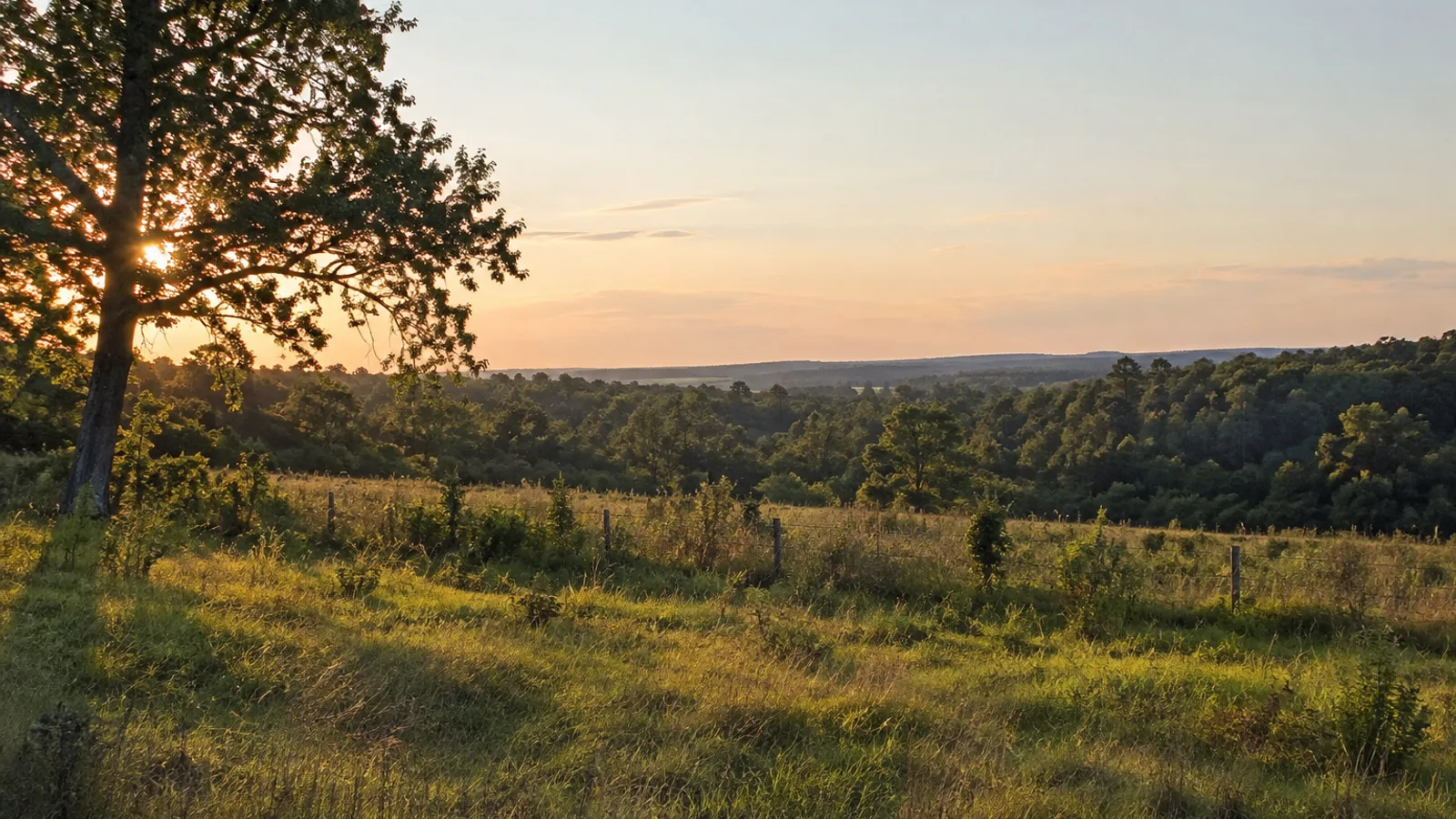
Situations a Direct Buyer May Review
South Carolina landowners contact buyers for many reasons. You may be looking to sell a small unused lot, a rural tract with uncertain access, or acreage shared with family members. Others plan to sell vacant land after receiving notices about taxes, maintenance, or an ownership issue they no longer want to manage.
We buy land from owners considering varied South Carolina properties, but no two files are identical. One owner may be ready to sell after a change in plans, while another may say, “I plan to sell my property through a direct sale,” to reduce ongoing responsibilities. Accurate information gives everyone a better starting point.
Whether you are comparing cash buyers with a listing or trying to sell your land quickly, share what you know. Access concerns, co-owner involvement, notices received, and known agreements can all affect a land sale. Honest details help you evaluate the response you receive.
Questions About Direct Purchases
Can I request information without agreeing to sell?
Yes. Asking for a cash offer does not require you to accept it. You can review the proposed terms, ask questions, and decide whether the option fits your goals.
Can a buyer review property with access or tax concerns?
Some direct purchasers review parcels with access issues or delinquent-tax situations. Review does not guarantee that a buyer will buy your land, what amount may be offered, or that title will be ready.
Should I use a closing attorney?
South Carolina closings should be handled by a South Carolina licensed closing attorney. Seek qualified independent legal advice when you need help understanding ownership, documents, or the effect of a proposed agreement.
Choose the Next Practical Step
When you decide to proceed, collect the facts you already have and identify what matters most. You may want to sell your land in South Carolina with fewer steps, compare a direct proposal with potential buyers, or learn whether a direct purchaser is interested in the parcel.
Share accurate information, review every proposed term, and keep control of your decision. Sell South Carolina Land can review information about your land and explain whether a direct purchase may be worth considering. If you need to sell land for cash, compare options, use a South Carolina licensed closing attorney, and proceed only when the written agreement works for you.
South Carolina Land Selling Guides
Practical information before you choose a selling route.
Considering a Direct Sale?
Share the parcel details and review a no-obligation offer.
Get My Free Cash Offer →